A pneumatic cylinder is one of the easiest ways to turn air into action. It may look like a metal tube with a rod sticking out, but inside it performs a clever job converting compressed air into smooth forward and backward movement. This simple idea powers conveyor belts, packaging machines, vehicle assembly lines, and even medical equipment. Understanding how pneumatic cylinders work and what makes them perform well gives you better control over your systems and helps prevent unnecessary downtime.
How Air Becomes Motion
The working principle of a pneumatic cylinder is built on pressure. Compressed air enters a sealed chamber and pushes against a flat surface called a piston. Since pressure always seeks the easiest path, it forces the piston to move in a straight line. That movement is then transferred through a rod to operate machinery.
When the air supply is redirected or released, the piston moves in the opposite direction. Directional control valves manage this air flow, while pressure regulators decide how strong the movement should be. Flow control valves adjust how fast the piston travels. Together, these three controls direction, pressure, and flow determine the behavior of the cylinder in real operating conditions.
The Parts That Do the Heavy Lifting
Every pneumatic cylinder uses a handful of carefully engineered components to produce reliable performance. The barrel provides a smooth surface for movement. Inside it, the piston acts as a divider between air chambers. The piston rod connects the internal motion to external work. High-performance seals reduce air loss and keep pressure steady. End caps lock everything in place and provide mounting points, while air ports control entry and exit for the compressed air.
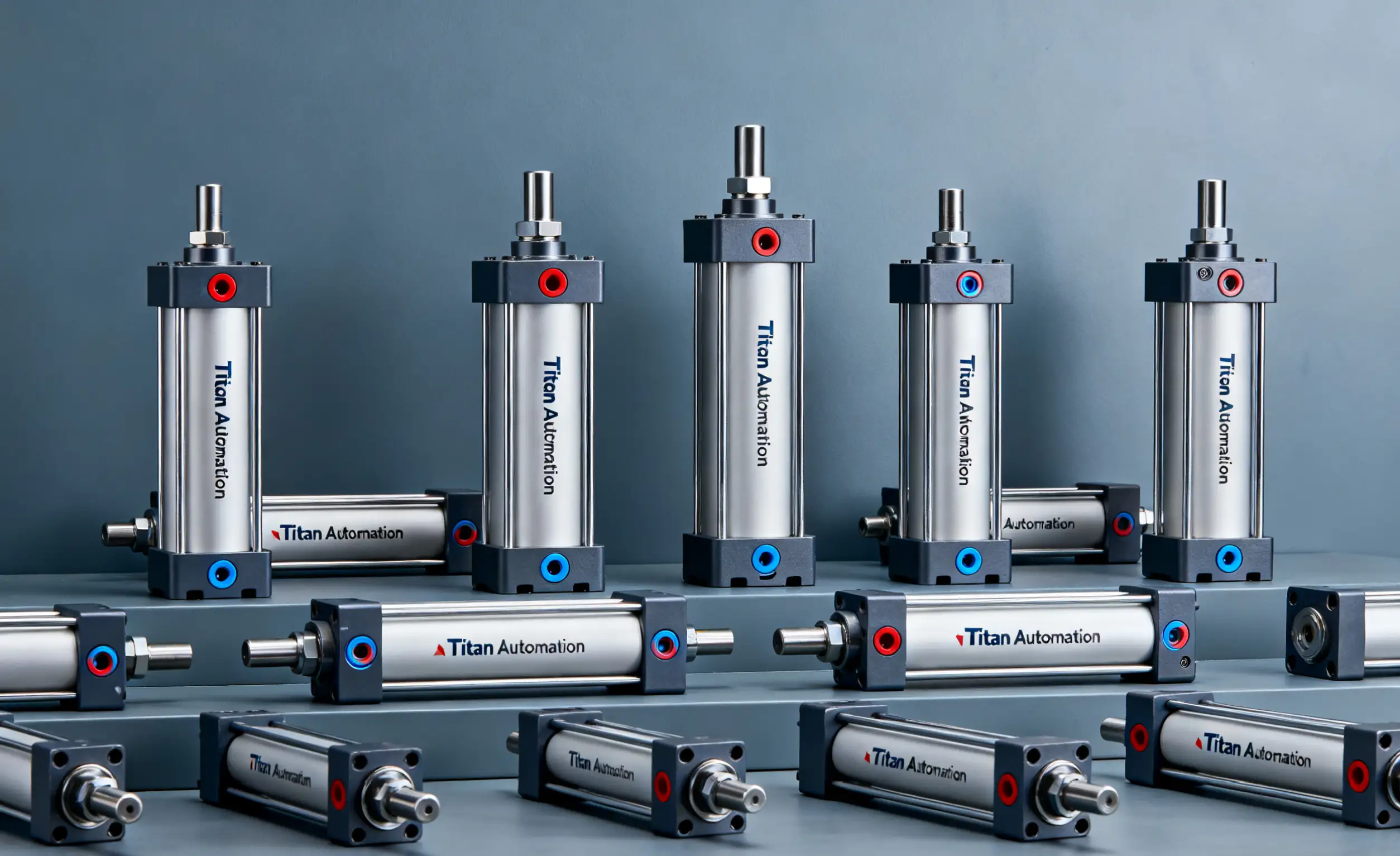
Precision matters. Even minor imperfections inside the barrel or around the seals can reduce efficiency. That is why manufacturing detail directly influences how long a pneumatic cylinder lasts and how consistently it performs.
Operating Characteristics That Define Performance
Pneumatic cylinders are known for a set of performance traits that make them stand out:
Quick Response: Air moves fast, and so do pneumatic systems. Cylinders can extend and retract in a fraction of a second, ideal for automated tasks.
Controlled Strength: The force produced is based on air pressure and piston size. Increasing pressure increases output without redesigning the machine.
Quiet Operation: Compared to large motors or hydraulic systems, pneumatic cylinders are noticeably quieter.
Safety Advantage: Air does not cause contamination the way oil-based systems do. In overload situations, air compresses rather than causing mechanical failure.
Easy Adjustment: Speed and pressure can be tuned without dismantling the cylinder, making optimization simple during production changes.
Types Designed for Specific Needs
Not every job uses the same kind of pneumatic cylinder. Some tasks require speed, others strength, and some precision.
A single-acting cylinder uses air to move one way and relies on a spring for return. It works well for short, light-duty actions. A double-acting cylinder moves both directions using air, offering better consistency and control.
Compact cylinders fit into tight spaces, while rodless models allow longer movement without long piston rods. Guided cylinders improve stability when side loads are involved, and custom-built designs meet specialized industrial needs.
Why the Manufacturer Shapes Performance
The quality of a pneumatic cylinder starts with who makes it. Trusted pneumatic cylinder suppliers focus on better materials, advanced machining, and strict quality checks. A skilled pneumatic cylinder manufacturer ensures every unit performs the same, whether you buy one or a thousand.
Titan Automation supports global industries with precisely engineered solutions. Titan Automation is a Top-quality pneumatic cylinder manufacturer and supplier, building reliable products through advanced production systems and continuous research. When most of the manufacturing process happens in-house, quality increases and delays decrease something customers notice immediately.
Final Perspective
Pneumatic cylinders prove that simple technology can achieve powerful results. Turning air into motion may sound basic, but when executed correctly, it drives some of the world’s most advanced machines. Once you understand how they work and choose the right pneumatic cylinder suppliers and manufacturer, you gain smoother operation, longer equipment life, and better overall performance.