Pancreatic cancer is one of the most challenging and deadly cancers that are difficult to diagnose and treat. Infected by the pancreas organ vital for digestion as well as blood sugar control, this cancer is usually detected in advanced stages due to its subtle non-specific symptoms. Diet and nutrition are two lifestyle factors that play a significant influence on the severity of this disease. Genetics also play a factor. Knowing the connection between pancreatic cancer’s nutritional status, diet and prevention, will help people take proactive steps towards better health.
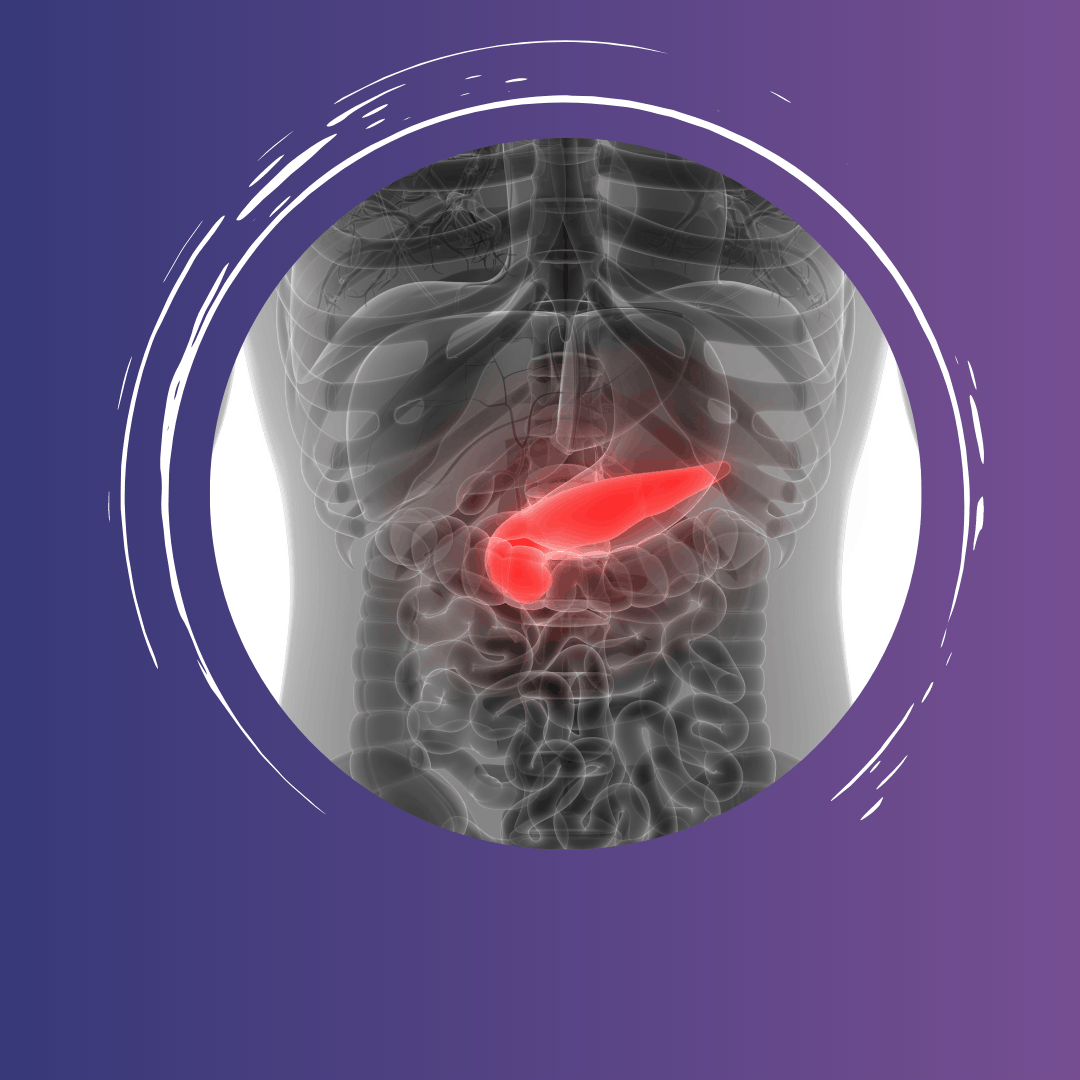
Image credit: trovanow.com
Pancreatic cancer occurs due to uncontrolled development of cells in the pancreas, resulting in tumors that are malignant. Although the exact cause is not fully understood, there are several factors that can increase the risk.
1. Lifestyle factors : Smoking is an important risk factor since it exposes carcinogens which can harm pancreatic tissue. Furthermore, obesity and a habit of sitting can contribute to chronic inflammation, which could induce the development of cancer.
2. Diet and Nutrition : A diet high in processed meats, refined sugars and unhealthy fats could increase the risk of pancreatic carcinoma. These food items can cause inflammation, oxidative stress and insulin resistance conditions linked to the illness.
3. Family History and Genes people who have a background of pancreatic cancer, or other cancers could inherit genetic mutations which predispose to developing the cancer.
4. Chronic Medical Disorders – Conditions such as chronic pyatitis and diabetes can increase your risk due inflammation and stress.
Nutrition as a Prevention Measure for Pancreatic Cancer
Nutrition plays a crucial aspect in reducing the likelihood of developing pancreatic cancer. A pancreatic cancer diet focuses on incorporating foods that support pancreatic health, reduce inflammation, and strengthen the body’s defenses against cancerous growths.
Foods to include
1. Fruits and Vegetables are rich in antioxidants, vitamins and minerals, vegetables and fruits aid in neutralizing free radicals. Cruciferous vegetables and leafy greens and fruits, are the most beneficial.
2. Whole Grains : Whole grains such as quinoa, brown rice and oats are abundant in fiber. It helps healthy digestion and stabilizes blood sugar levels.
3. Healthy Fats Sources of Omega-3 Fatty Acids such as flaxseeds and walnuts help decrease inflammation and help promote cell health.
4. Nuts and legumes are great sources of fiber and are rich in nutrients.
5. Spices such as Turmeric and Ginger : Known as anti-inflammatory substances these spices can be easily incorporated into meals for added health benefits.
Foods to Avoid
1. Processed Meats: These contain harmful chemicals like nitrates that have been linked to cancer.
2. Refined Sugars: A high sugar consumption can result in insulin resistance, a potential risk factor for pancreatic carcinoma.
3. Alcohol abuse over time can result in pancreatic inflammation and damage.
The Importance Of A Balanced Diet for Pancreatic Cancer
A healthy diet can reduce cancer risk and assists those undergoing treatment. It is vital to maintain health, energy, and immune function throughout cancer therapy. Proper nutrition will have an impact on the recovery process.
Small Meals and Hydration
Pancreatic cancer sufferers often experience stomach discomfort. This can be alleviated by drinking plenty of water as well as eating smaller, healthy food portions throughout the day.
Protein-Rich Foods
Protein is vital for immunity and tissue repair. A pancreatic cancer-fighting diet should consist of lean meats, eggs, fish and plant proteins.
Preventing Pancreatic Cancer: Beyond Diet
Other lifestyle modifications are just as important to prevent pancreatic carcinoma.
1. Smoking cigarettes is a preventable risk factor. Quitting reduces the likelihood of developing pancreatic or other cancers.
2. Maintain a Healthy Body Mass Obesity may cause increased inflammation and insulin resistance. Both are related to pancreatic carcinoma. Regular exercise and a balanced, healthy diet will help achieve and maintain a healthy weight.
3. Regular Medical Checkups: Early detection is essential to manage pancreatic cancer. Individuals with a history of family members or risk factors should seek advice from health professionals to conduct screenings and monitoring.
4. Alcohol can cause harm to the pancreas. It can also increase the risk of cancer. Moderation is essential.
5. Manage Chronic Conditions : Controlling pancreatitis and diabetes with medication, lifestyle and diet changes can help reduce pressure on the pancreas, and lower cancer risk.
The relationship between pancreatic function and nutritional health is becoming more apparent as research advances. Scientists continue to research how specific nutrients and dietary practices can impact cancer. In the future, customized nutrition plans tailored according to each individual’s genetic and health history could play an crucial roles in the prevention and treatment of cancer.
Pancreatic cancer is a major health problem. If you are aware of the root causes as well as the impact of lifestyle and diet on prevention, people can take positive steps to prevent it. A diet that is rich in plant-based whole foods and free of harmful chemicals, and focused on reducing the risk of developing pancreatic cancer may improve overall health and decrease the risk. Along with regular screenings and proactive lifestyle changes, it’s possible to minimize the likelihood of developing this deadly disease and improve outcomes for those who are already affected.
Your health is in your hands Every little change counts. Start by eating well.