Bread seems simple until you start reading nutrition labels. The amount of sugar and carbohydrates, fiber, calories and protein in two loaves that look almost identical can be very different. For those who are trying to cut down on carbs, these differences could determine if a slice functions comfortably within a day’s meals or consumes a surprisingly large portion of the calories they are trying to reduce.
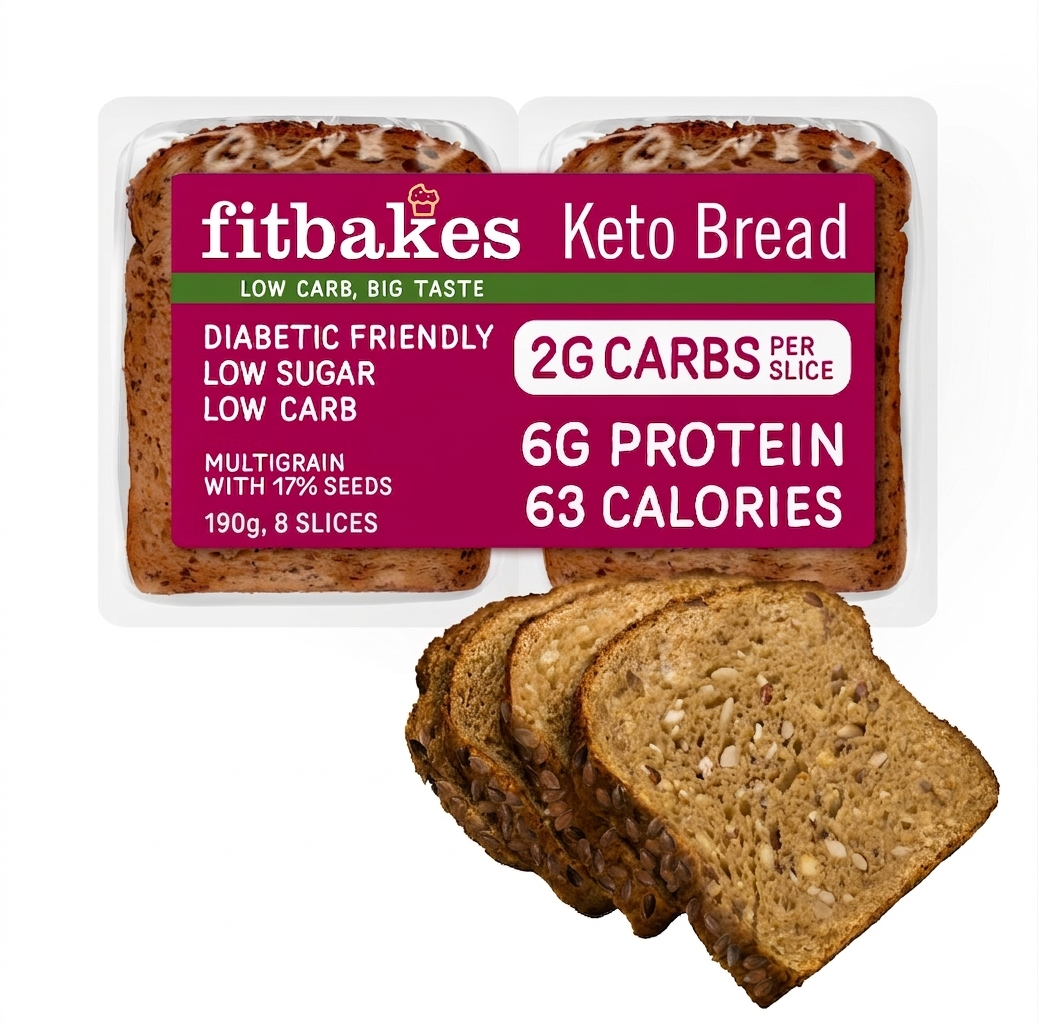
Image credit: fitbakes.co.uk
Fitbakes has come up with a unique approach with their Seeded Low Carb Loaf. Instead of looking at bread as something to be removed from a diet based on carbs it has been created to modify what each slice can contribute nutritionally.
A Slice Is More Than Its Calorie Count
People looking for low calorie bread may naturally start with the calorie figure, but calories provide only one piece of useful information. Depending on your goals, carbohydrate, protein, sugar, and fiber content are all equally important.
Fitbakes says that its bread with seeds offers 0.8g net carbs and 7g protein per slice. It also contains 17 percent seeds, specifically sunflower seeds or golden linseeds.
The combination of these two gives consumers a different way to assess bread. Instead of asking “How many calories are in this?” it becomes useful to ask what you’re actually getting from those calories.
The reason Protein is a key ingredient in the conversation
When talking about proteins, bread isn’t always the first thought that comes to mind. Yet protein content can become important when someone is reducing portions or trying to prepare meals that feel adequate without overrelying on carbohydrates.
Make a breakfast that is simple. Toast by itself is very different nutritionally from a seeded, higher-protein slice topped by an avocado and egg. Use the bread to create an easy meal for example, a cheese, tuna, or chicken sandwich without the need to come up with an entirely new “diet lunch”.
When looking at the top low-carb breads that are available that are available on the UK market, customers should consider the usefulness of the bread. A loaf’s value in practical terms is limited if you can’t utilize it for the dishes you love.
The job of the Seeds is More Than Texture
Golden linseeds or sunflower seeds aren’t only added for crunch, they add an eminent taste. Seeds are a source of nutrients like protein, fats, fiber and other nutritional elements to recipes.
The taste also changes. The toasted Fitbakes loaf is a bit more sweet and nutty taste, making it a good base for toppings. It’s crucial to toast the loaf when you plan to use it for something that is substantial, instead of just eating plain.
Understanding the “Low Sugar” Label
Low-carbohydrate, or low-sugar bread can be a different thing. Sugar is a kind of carbohydrate, therefore the absence of sugar in a nutritional panel does not mean the bread isn’t low in total or net carbs.
To control your consumption of carbohydrates be sure to take into account the entire nutrition information along with the portion size instead of simply relying on the front of packaging description.
Bread that Fits into the Meal
The best way to assess specialty bread is to not think about what it removes and consider what it allows you to create.
A toasty slice of bread that is steamed under eggs, a sandwich served at lunchtime or a loaf of bread served in soup are common dishes. A loaf that has less than one gram per slice of net carbohydrate gives the carb-conscious consumer more flexibility when keeping familiar foods.
This practicality can be just as important as the nutritional label on many people.