The efficiency of a lift station can be determined long before it becomes an concrete structure complete with valves, pumps, and piping. The final design of a lift station is determined by several factors that include the flow calculation, the elevations of the site, system pressures water characteristics, peak conditions maintenance access, control systems, and the future capacity.
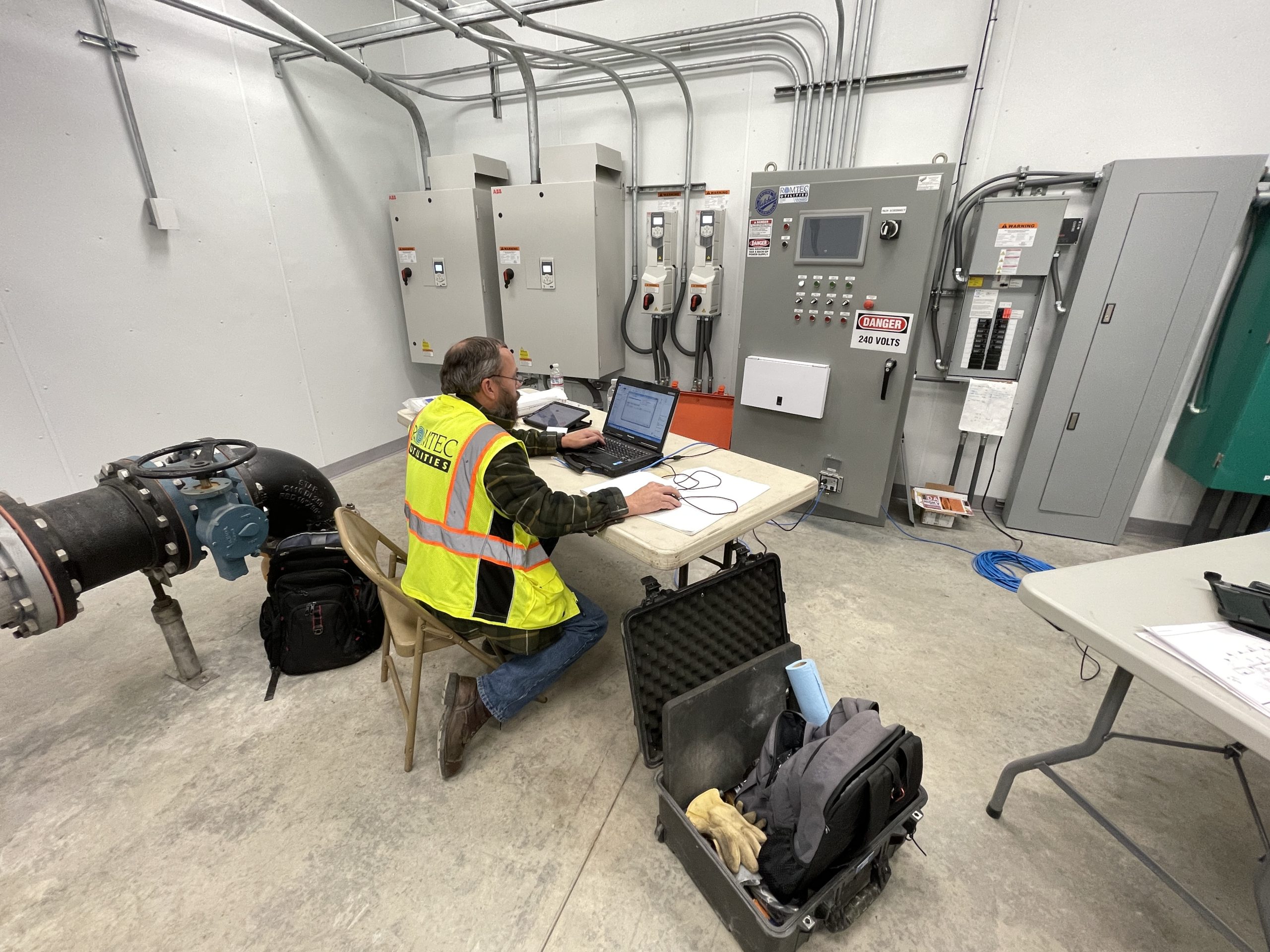
Image credit: romtecutilities.com
For project owners comparing the best lift station designers, the more useful question isn’t simply who can specify pumps. It’s who can translate site conditions and operating requirements into a system that is feasible to build, operate and maintain.
Gravity Has its Limits
Gravity is usually the simplest method to transport wastewater, but the development pattern and terrain can be a challenge. It’s possible that new industrial, residential and commercial buildings are large, far away or situated in zones where gravity sewer expansion isn’t feasible.
A lift station is able to provide the mechanical force required to transport water from one location in the collection system to another. It is essential to think about both the standard operating conditions and those that may be less efficient, like the most inflows at peak, maintenance on the pump or equipment failure, or potential demand growth.
The most effective companies in wastewater design need to look at the whole problem, instead of only treating the station.
The existing infrastructure can make the puzzle more difficult
Not just is the new construction an obstacle. Municipalities often need to retrofit or replace old stations while keeping vital wastewater infrastructure functioning.
Wet wells that are in use, force mains electric services, controls boundary lines for the site, as well as downstream infrastructure may limit the new design. Engineers must consider what components can remain, what needs replacement and how the new elements are to be incorporated into the current system.
Romtec Utilities has experience in municipal, private and commercial applications as also retrofit and replacement projects. This enables pumping systems be tailored to the ownership and operating requirements of each project.
Stormwater is controlled by different rules
The most skilled designers of stromwater systems using the search terms provided must resolve a completely different hydraulic problem. Stormwater systems can experience dramatic fluctuations in volume due to the quantity of rainfall, drainage capacity and the discharge rate allowed.
A facility serving a detention basin, for instance it may be required to keep the runoff indefinitely and then pump it at the appropriate speed. Engineers must consider the flow, head conditions environmental requirements, flood-management objectives and the specifics of the drainage system that is receiving.
Prefabrication can be used to transfer the work off site
The difficulty of field assembly could create delays in scheduling, mistakes during installation, changes orders, and even delays. Romtec Utilities prefabricates equipment before it gets to the sites of projects.
Making more assembly and quality-control work in a controlled environment can cut down on the amount of construction required in the field. Based on the approach to project management explained by Romtec Utilities, some projects which would otherwise require weeks of work can be reduced to days, depending on project conditions.
The Commissioning Process is a Key to Engineering Success
It’s not enough to install all the components for a station to be regarded as a dependable one. Romtec Utilities offers installation advisors to assist in construction which includes startup and control panel inspections, pump operations, system testing and employee training. Documentation is also available to inform operators on how to keep the system running and consider future expansion.
Owners looking for the most talented designers for lift stations must take note of this step. The end result of good engineering should be more than an acceptable set of sketches. The station owner should leave with a functioning system that is well-trained, a competent staff, helpful documentation and equipment built to meet the everyday operational requirements of the facility.